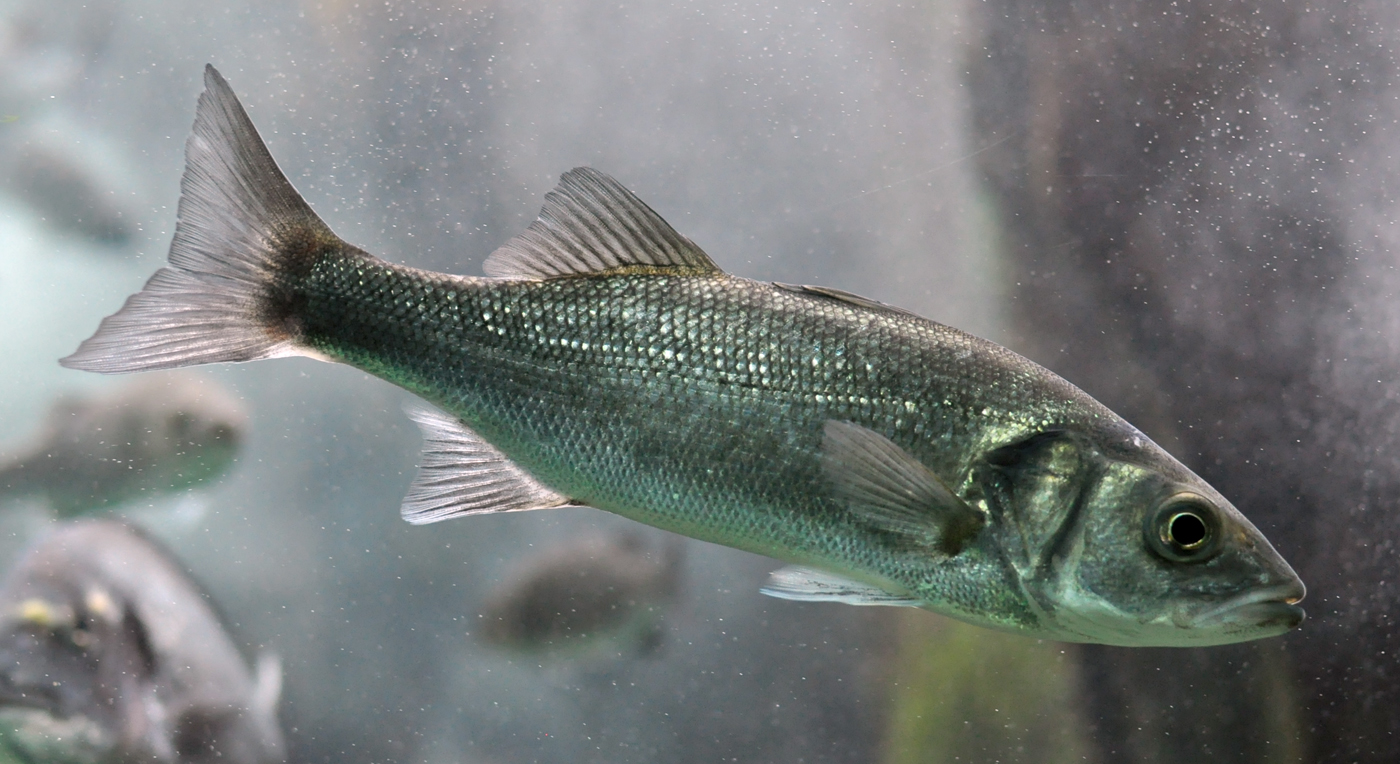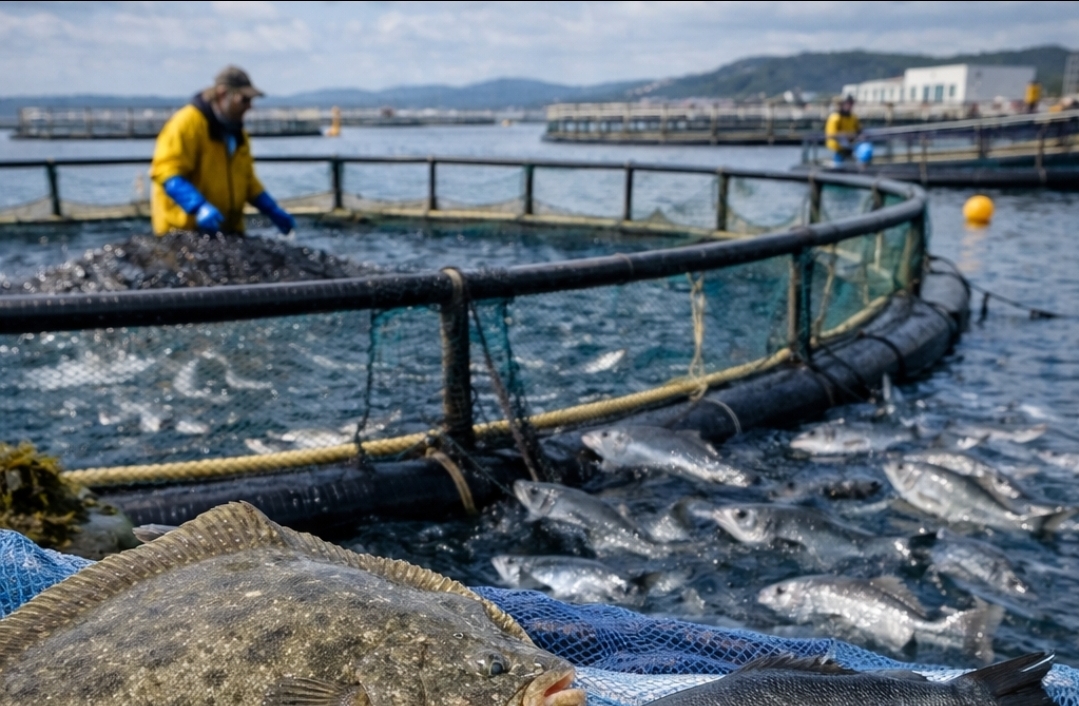
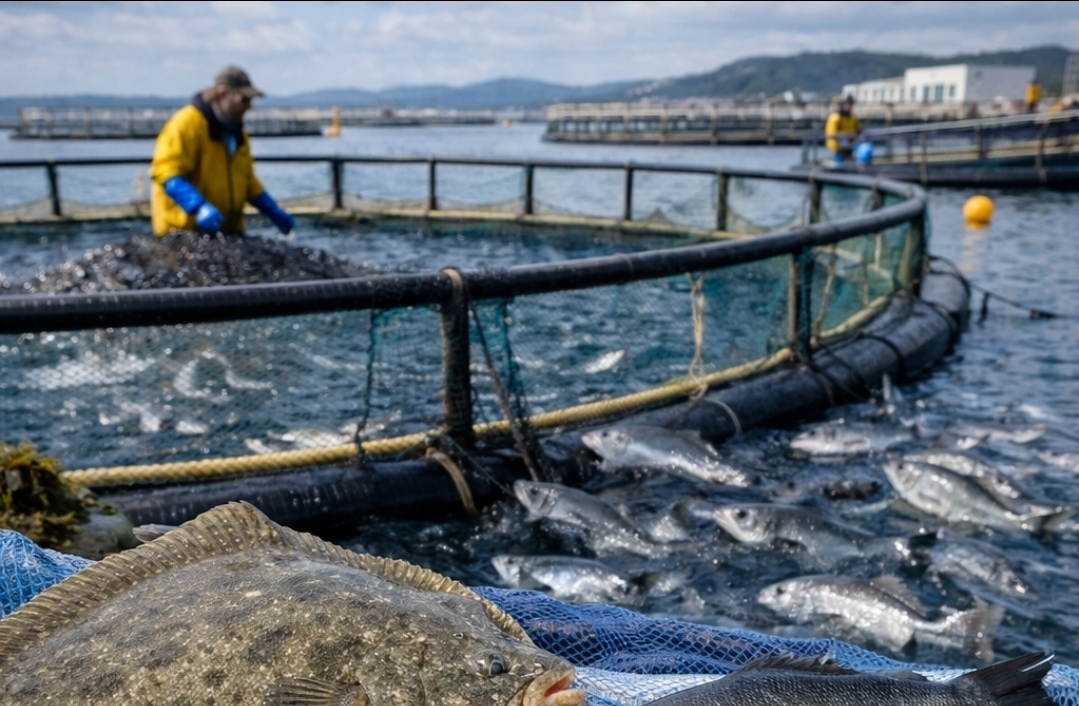
Portuguese aquaculture is preparing to take a new step in enhancing national fish production with the development of the OmegaPeixe project, a consortium that brings together companies, research centers and scientific institutions with the goal of improving the nutritional quality of sea bream and sea bass produced in Portugal.
The initiative brings together several entities linked to the blue economy and applied research, including Acuinova, ALGAplus, Sparos, Riasearch, the Abel Salazar Institute of Biomedical Sciences at the University of Porto and the B2E CoLAB collaborative laboratory. Together, these organizations aim to develop innovative solutions that allow them to produce fish with higher omega-3 content while maintaining high standards of environmental sustainability and animal welfare.
The consortium's work focuses mainly on developing new diets and feeding strategies for these species, using more sustainable ingredients and advanced scientific knowledge to optimize fish growth and their nutritional profile. The approach aims to strengthen the quality of fish produced in aquaculture and increase the competitiveness of national production. Sea bream and sea bass are two of the most valued species in the European market and have been gaining importance in Portuguese aquaculture.
Through this project, the aim is to demonstrate that it is possible to produce fish with greater added value, while at the same time contributing to a more innovative, sustainable and better-prepared blue economy sector capable of responding to growing demand for seafood.
This publication was generated from information in the original feed. Credits and reference to the source have been included at the end of the text.
Source: https://portaldomar.org/2026/03/10/consorcio-nacional-aposta-na-producao-de-pregado-e-robalo-em-aquacultura/ ```