Brazil's shipbuilding industry recorded another major milestone this week with the launch of the 27th ore-carrying barge built by the Tenenge-Enseada consortium for LHG Mining, a company belonging to the J&F group. The ceremony took place in Maragogipe, Bahia, reinforcing the prominence of national shipyards in large-scale projects focused on cargo transport.
The vessel is part of an ambitious program that calls for the construction of 400 ore-carrying barges across four shipyards located in the North and Northeast regions of the country. Under this project, Enseada Shipyard will be responsible for manufacturing 80 units.
Measuring 60 meters in length and with a capacity to transport up to 2,900 tons of cargo, the new barge represents another step forward in expanding the fleet dedicated to LHG Mining's logistics operations. The program plays a strategic role in the movement of mineral output and in strengthening Brazilian inland waterway transport.
Beyond operational impacts, the project has been contributing significantly to job and income creation. According to information from the consortium, the construction of the vessels has already resulted in the creation of more than 500 direct jobs and approximately 900 indirect positions in the Recôncavo Baiano region, boosting the regional economy and strengthening the shipbuilding supply chain.
The initiative is also part of Tenenge's strategy to diversify its project portfolio, the industrial engineering arm of Novonor. Recently, the company announced a contract with CMM Offshore for the construction of six specialized vessels for combating oil spills at sea, known as OSRV (Oil Spill Recovery Vessel), which will be used in Petrobras operations over the next 12 years.
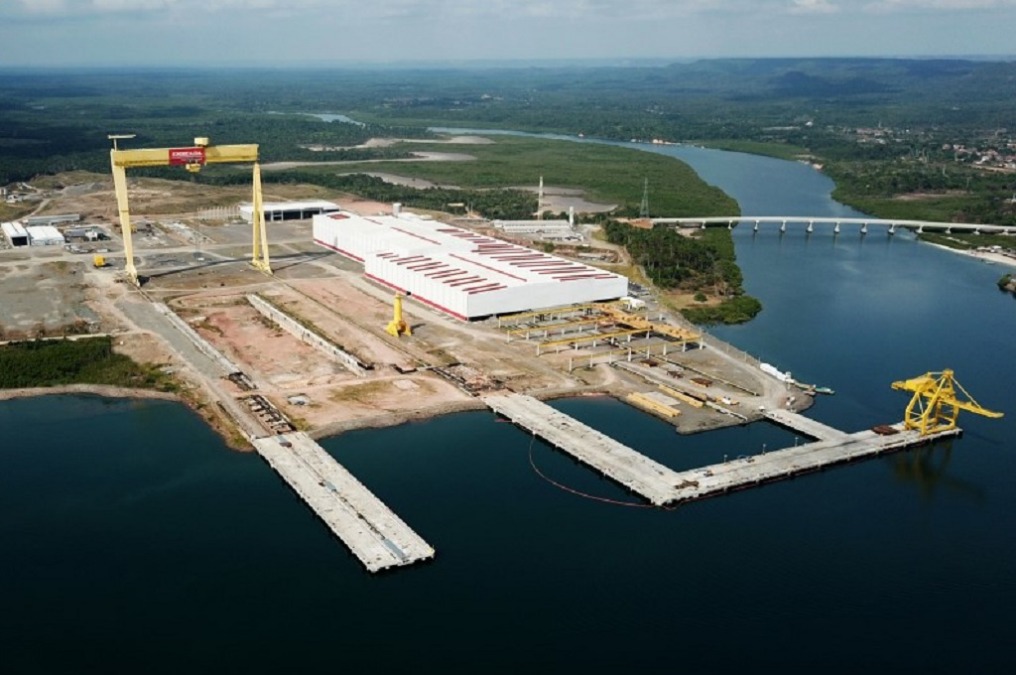
Considered one of the country's largest naval complexes, Enseada Shipyard has the capacity to process more than 100,000 tons of steel per year and features approximately one thousand meters of dock. Initially designed for the construction and integration of offshore units, the facility brings together some US$ 1 billion in private investments, ranking among the largest ever made in Brazil's shipbuilding industry.
The launch of the 27th barge takes place at a time of gradual recovery in Brazil's national shipbuilding, driven by new orders from the mining, oil, gas and logistics sectors. Experts assess that the continuity of long-term projects is essential to ensure predictability, generation of skilled jobs and strengthening of Brazilian industrial capacity.
With the progression of the 400-vessel program, the expectation is that the shipyards involved will expand their participation in the national logistics chain, establishing shipbuilding as an important driver of economic and technological development for the country.
```