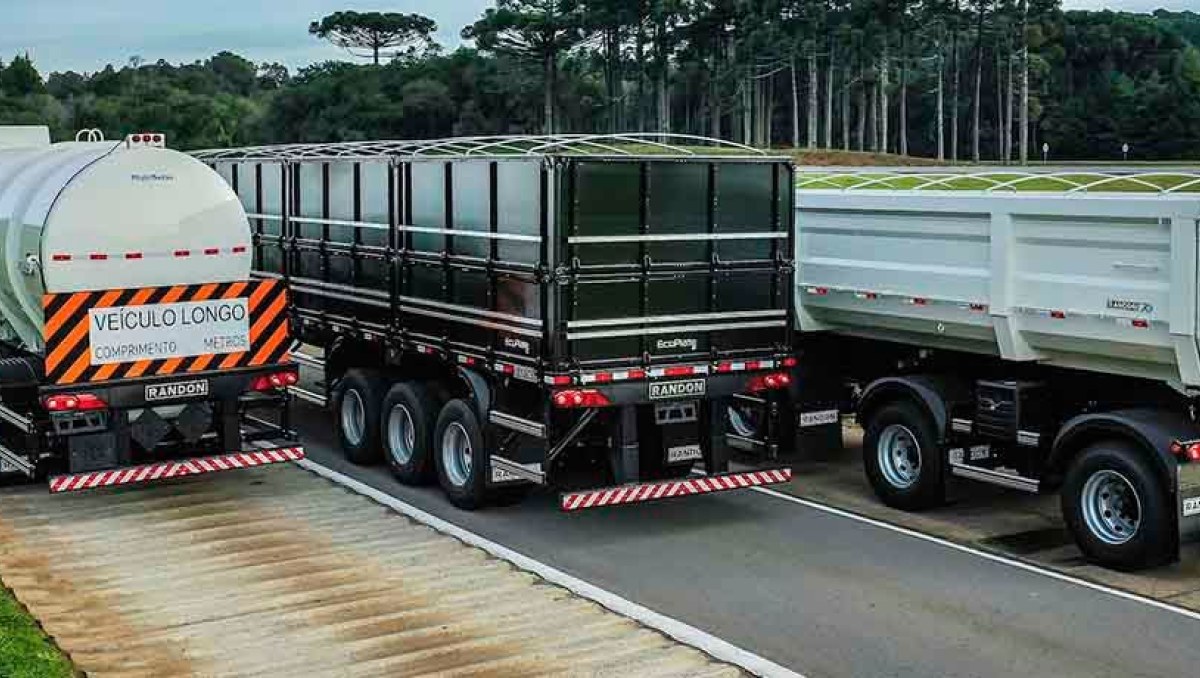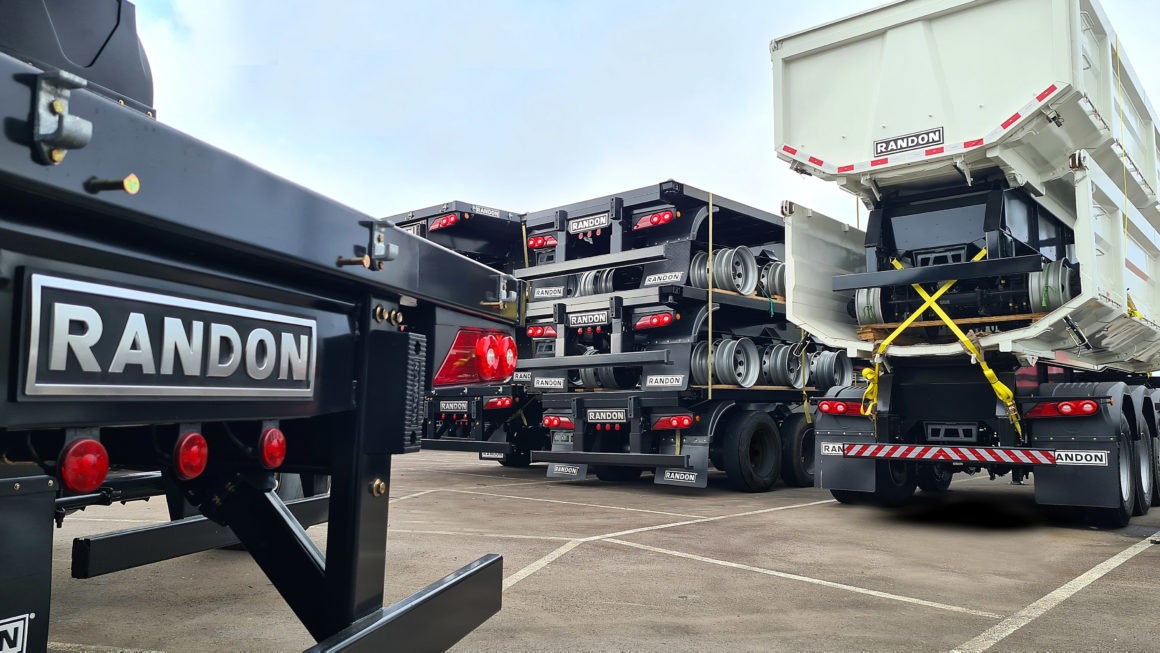
Brazil's road equipment industry recorded a contraction in the first half of 2026, reflecting a slower pace in sales of vehicles destined for cargo transport. Performance mirrors a scenario of greater caution among carriers and logistics operators in light of economic conditions and freight market behavior.
The decline was observed across different industry segments, especially among equipment destined for heavy transport. The reduction in demand directly impacts manufacturers, suppliers, and the entire productive chain linked to road cargo transport.
Experts assess that the sector is undergoing a period of adjustment following years of strong fleet renewal. In many cases, companies opted to postpone investments in new equipment while monitoring factors such as financing costs, interest rates, raw material prices, and economic outlooks.
Despite the negative result in the semester, industry representatives believe that infrastructure projects, growth in exports, and increased logistics movements could stimulate gradual recovery in demand over the coming months.
Road transport remains the country's primary logistics mode, responsible for the bulk of goods movement between production centers, industrial hubs, rail terminals, airports, and ports.
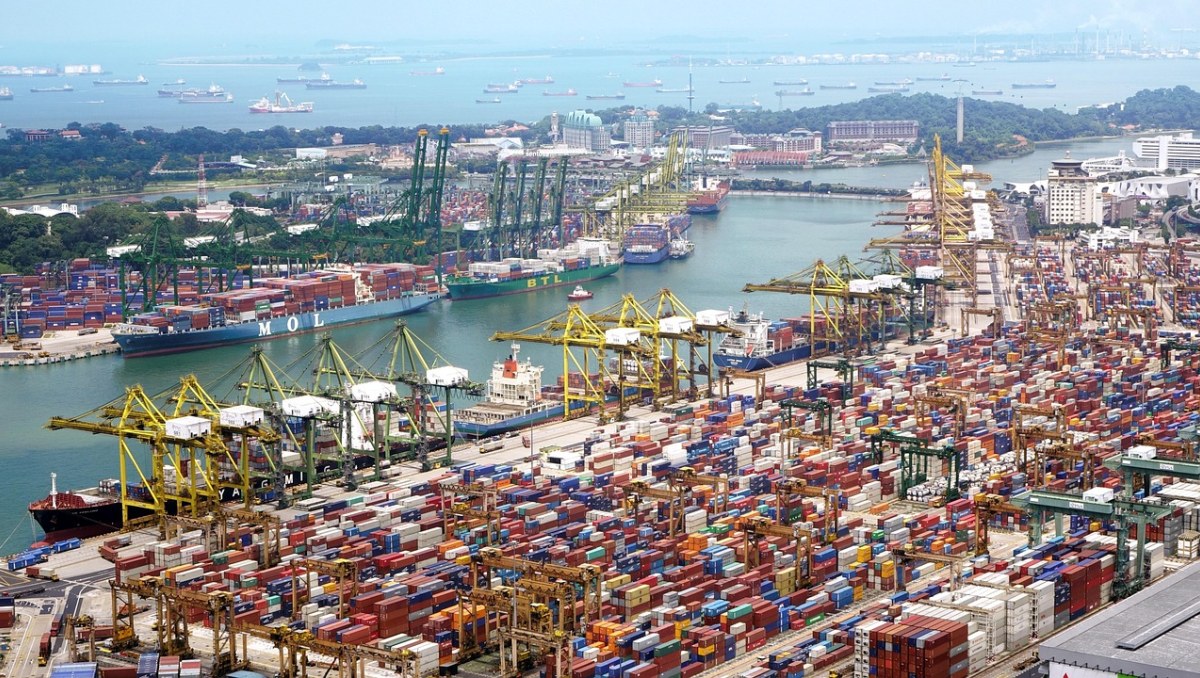
For the port chain, the reduction in fleet renewal may influence the efficiency of land operations, since trucks and equipment play an essential role in the flow of containers, bulk cargo, and general cargo to maritime terminals.
At the same time, the sector monitors expectations related to the evolution of road concessions, new infrastructure investments, and programs aimed at modernizing national logistics, factors considered fundamental to drive demand for equipment again.
Jornal Portuário Analysis
Although the equipment industry's performance was negative in the semester, market behavior is directly tied to the economic cycle. The resumption of infrastructure investments, the advance of road concessions, and export growth could reignite demand for transport equipment. For Brazilian ports, a modern fleet remains a key piece to ensure efficiency in integration between road, rail, and maritime modes.
```