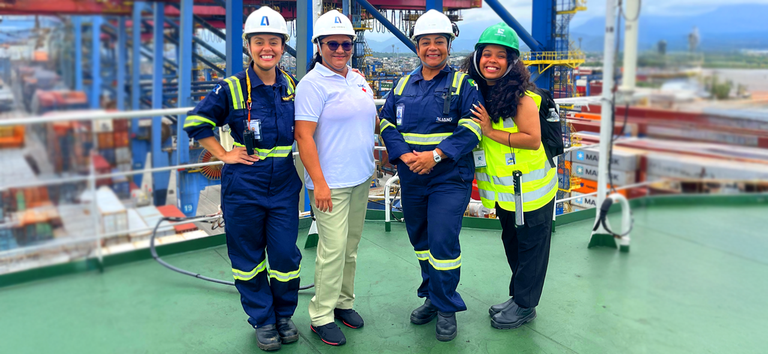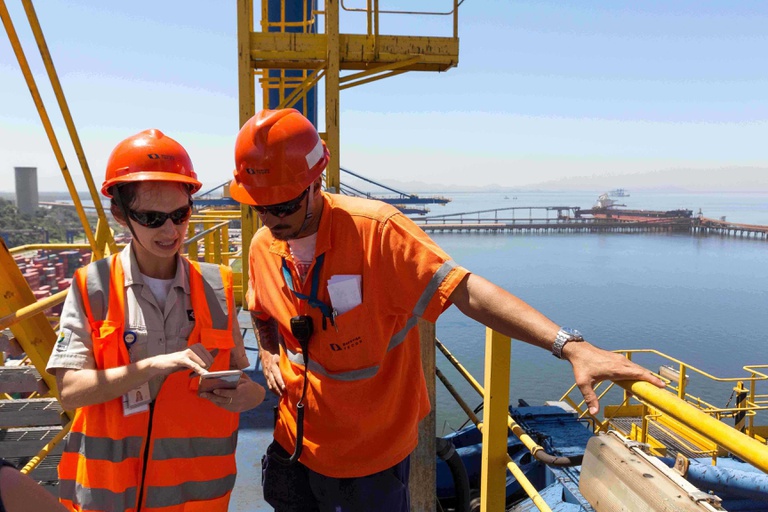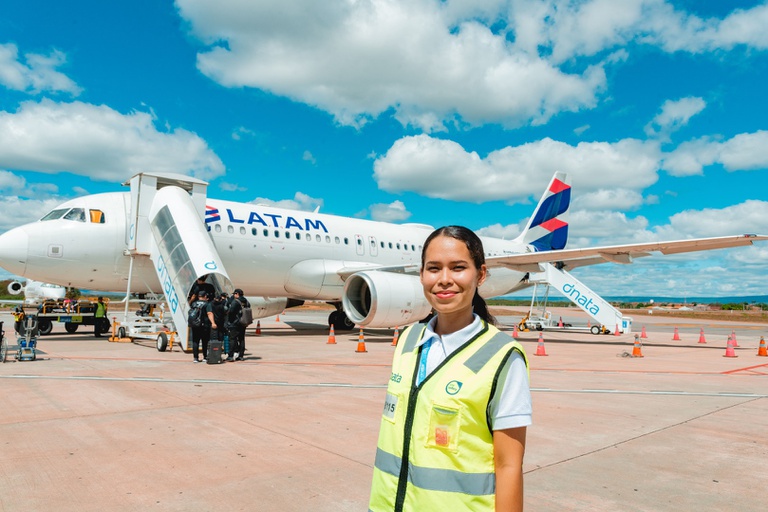
The Ministry of Ports and Airports (MPor) has intensified actions to expand women's presence in civil aviation professions, with initiatives focused on training female pilots and aircraft maintenance mechanics. Conducted by the Civil Aviation Secretariat (SAC), the programs work in a complementary manner to reduce historical inequalities and create concrete opportunities for women, especially in regions such as the Brazilian Northeast semiarid.
Low female participation in technical and operational roles remains a challenge in Brazil. Currently, only 3% of pilots are women compared to 64,472 men. Among aircraft maintenance mechanics, the proportion is similar: 3% in a universe of over 30,000 professionals. The contrast appears in the flight attendant role, where they represent 66% of the category.
For Civil Aviation Secretary Daniel Longo, the initiatives work in an integrated manner to transform the sector. "We are advancing on different fronts, from training female pilots to qualifying female mechanics, to ensure that more women have access to strategic careers in aviation. This improves the quality of the sector and expands development opportunities," he highlights.
Access to the cockpit
One axis of action is focused on training female pilots, an action that integrates the Wings for All program and supports the qualification of women in private pilot and commercial pilot courses. The policy helps meet the demand for qualified professionals and strengthen regional aviation.
In total, 842 candidates enrolled in the selection process, from which 20 participants were chosen, with 50% of the vacancies reserved for women. The training, scheduled to be completed in December 2026, comprises 183 flight hours, plus an English course aimed at international certification.
Technical qualification on the factory floor
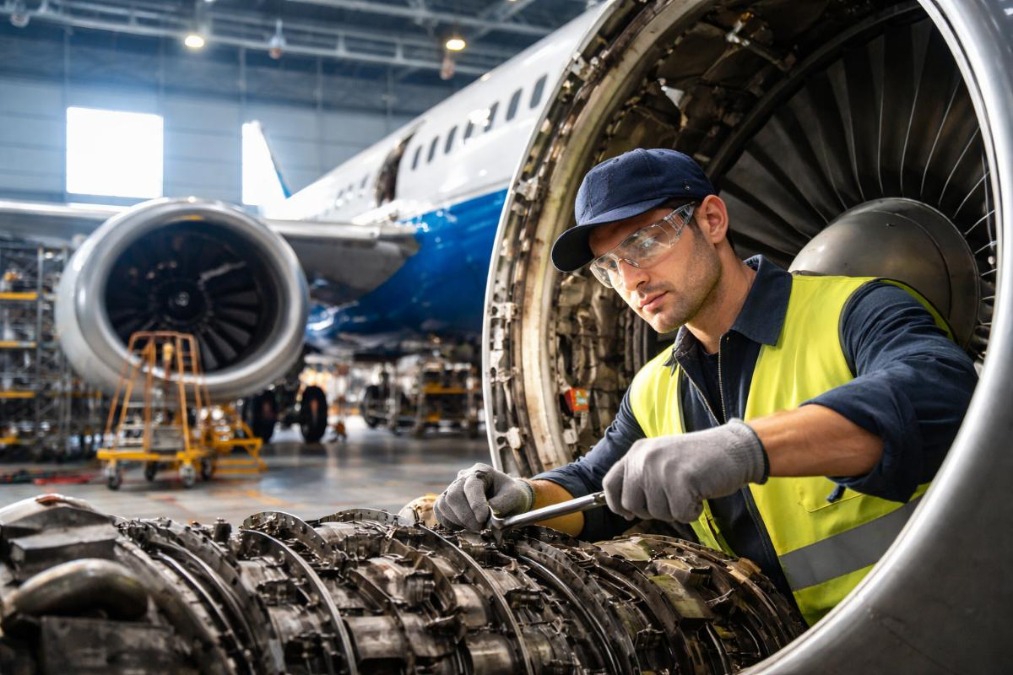
On another front, MPor invests in training aircraft maintenance mechanics, with courses focused on areas such as airframe, avionics and propulsion systems. The initiative expands women's access to a strategic career for operational safety and aviation operations.
One of the students is Yasmin Selieli. For her, the opportunity represents a life-changing moment. "I have always liked aviation, but I never had many opportunities. I graduated in nursing and was lost, not knowing what to do. When I saw the course, I realized it was the chance I needed, because I can't afford training like this," she says.
Yasmin highlights the impact of an encouraging environment at the start of her training. "I have very high expectations. I felt motivated, welcomed and hopeful that this time things will work out," she adds.
She also draws attention to the importance of expanding women's presence in the sector. "We are the majority in the population, so where are these women? Many times there are no opportunities or fear of disrespect. Projects like this are fundamental to changing this reality," she says.
Special Office of Social Communication
Ministry of Ports and Airports