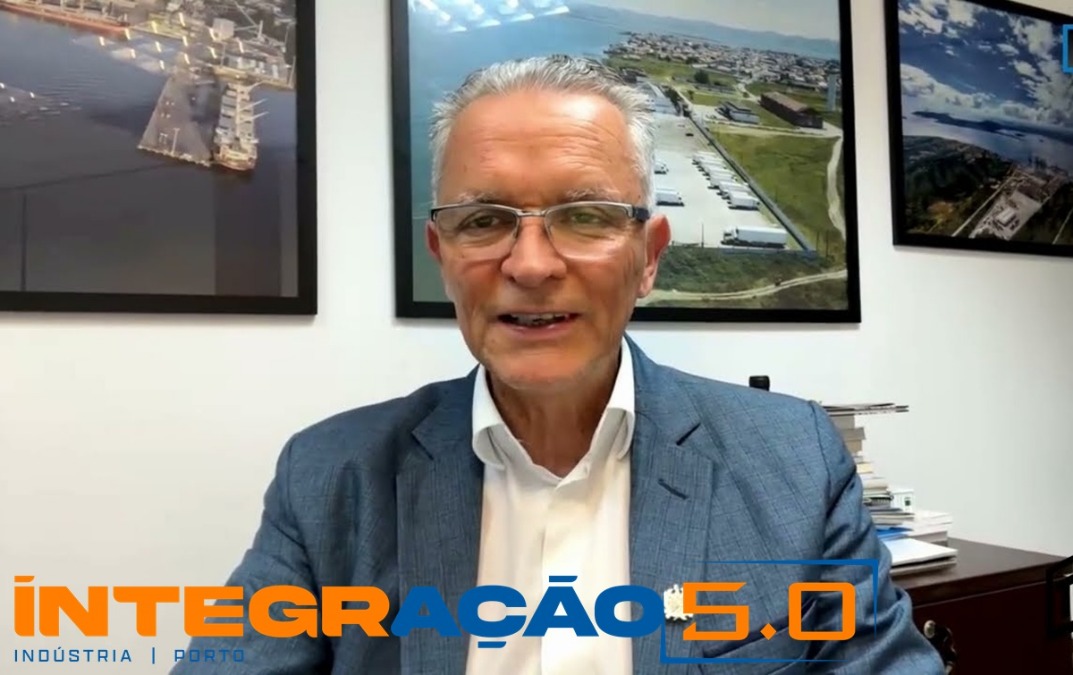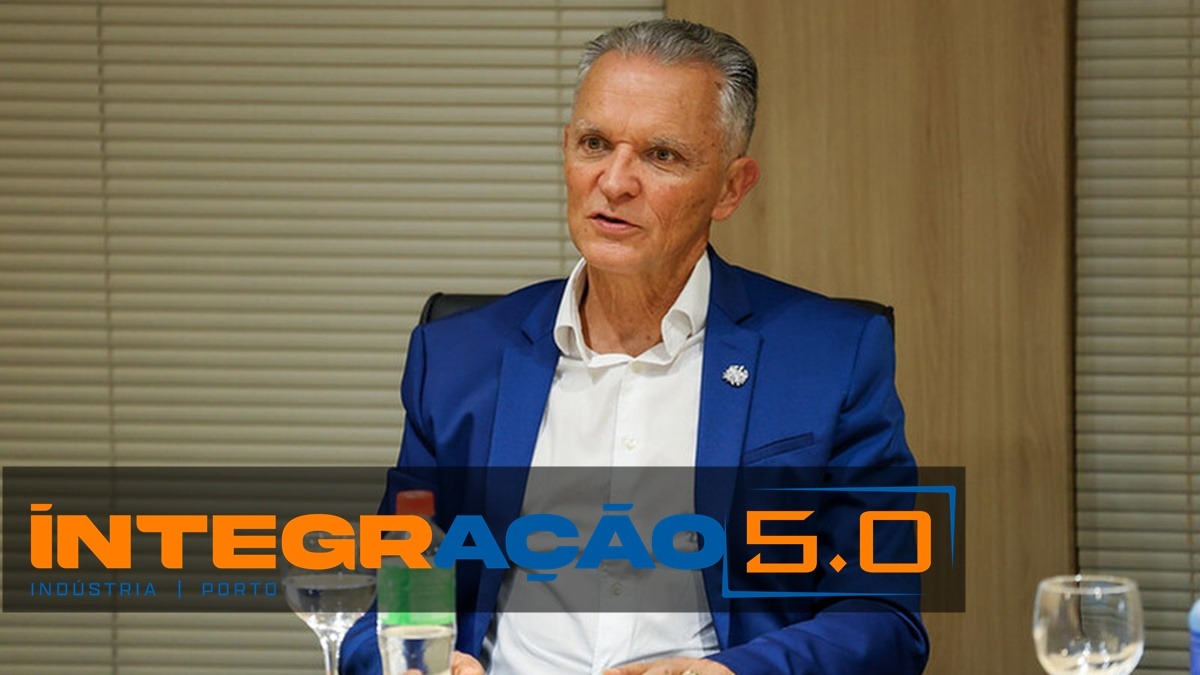
Santa Catarina's ports continue to gain relevance in the national logistics scenario, driven by investments in infrastructure, sustainability and operational efficiency. During the 5.0 Integration program, Santa Catarina's Secretary of Ports and Development, Ivan Amaral, highlighted the recognition received by the ports of Imbituba and São Francisco do Sul in the Environmental Development Index of the National Agency for Waterway Transport (Antaq).
According to the secretary, the environmental performance of the terminals reflects rigorous management in compliance with regulatory requirements and care for sustainable practices. The award recognizes ports that adopt consistent environmental policies, control of operational impacts and efficient management of natural resources.
Click here to follow Jornal Portuário's channel on WhatsApp now!
Imbituba and São Francisco do Sul are administered by the state government and have stood out nationally for investments in modernization and port governance. Terminal management has prioritized integration between operational growth and environmental responsibility, an increasingly stringent requirement of international maritime commerce.
Beyond public ports, other private terminals in Santa Catarina also received environmental recognition, such as those located in Navegantes and Itapoá, reinforcing the state's standing as a reference in sustainability in the Brazilian port sector.
According to Amaral, environmental recognition also strengthens the appeal of Santa Catarina's ports for international investments, especially at a time of reorganization of global production and logistics chains. Companies and operators have prioritized terminals that meet higher environmental standards, aligned with new requirements of international commerce.
In this context, Santa Catarina has been expanding infrastructure projects to keep pace with growth in port cargo movement. An example is dredging at the access to Itapoá Port, carried out in partnership between the state government and private initiative, with an investment of approximately R$ 324 million. The work will enable the operation of ships up to 400 meters in length, boosting the terminal's competitiveness in global maritime commerce.
Despite advances in the port sector, the secretary highlighted that the state's greatest logistics challenge lies outside the sea. The main concern currently is in land-based infrastructure, especially on highways providing access to the terminals.
Strategic stretches such as BR-280 and BR-101 North face frequent congestion and historical delays in duplication projects. The expansion of port cargo movement, combined with the opening of new grain terminals in the region, tends to further increase pressure on these routes.
Facing this scenario, the Santa Catarina government has sought alternatives to expand logistics capacity, including road improvement projects and investments in new transport solutions.
For experts and authorities, operational sustainability, coupled with the expansion of logistics infrastructure, will be decisive in consolidating Santa Catarina as one of Brazil's main port hubs in the coming decades.
```