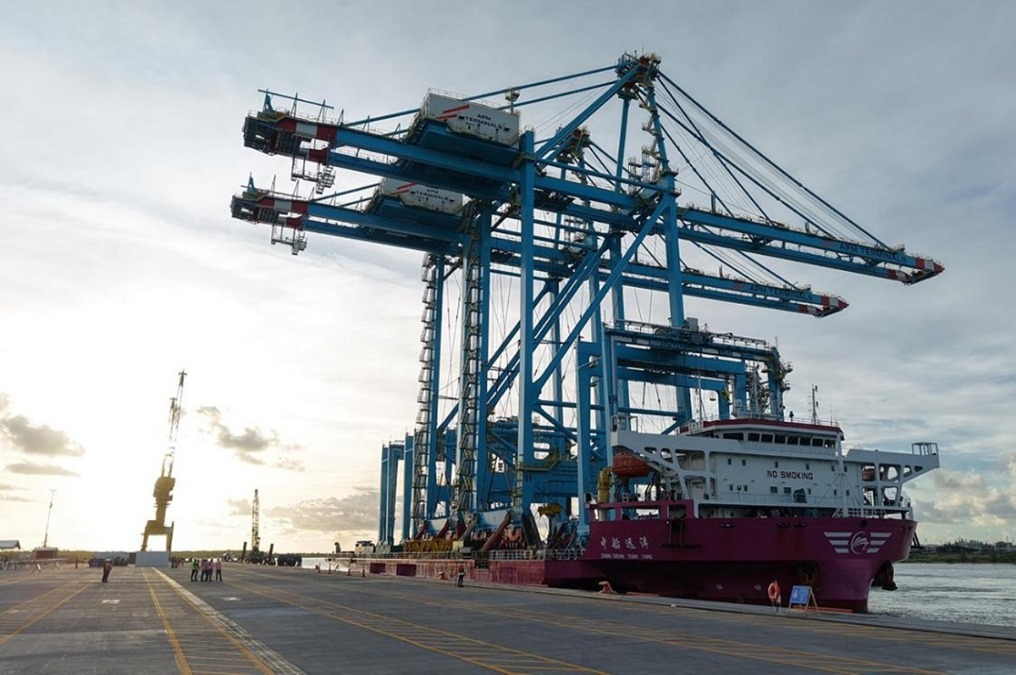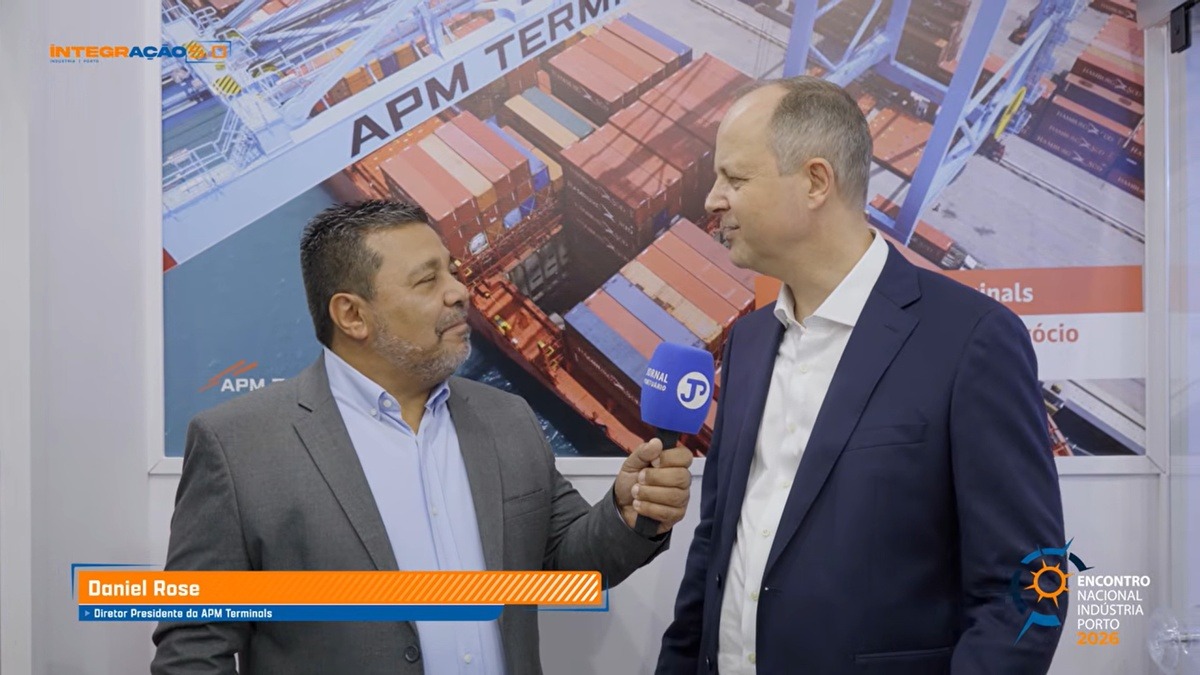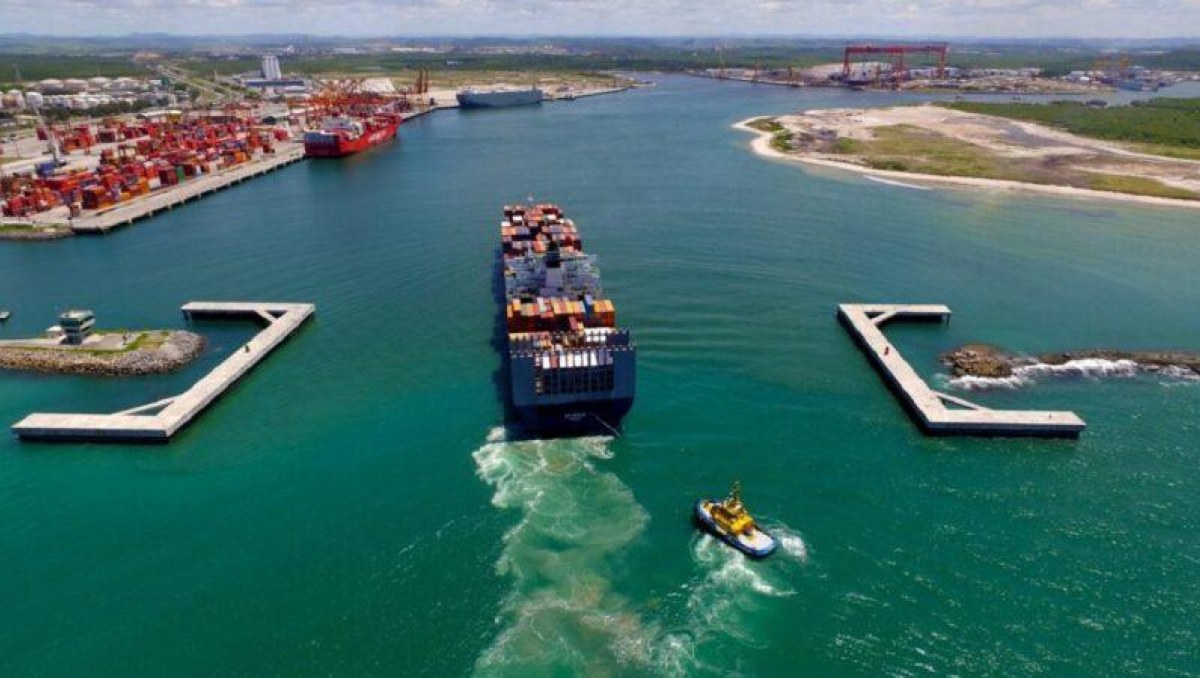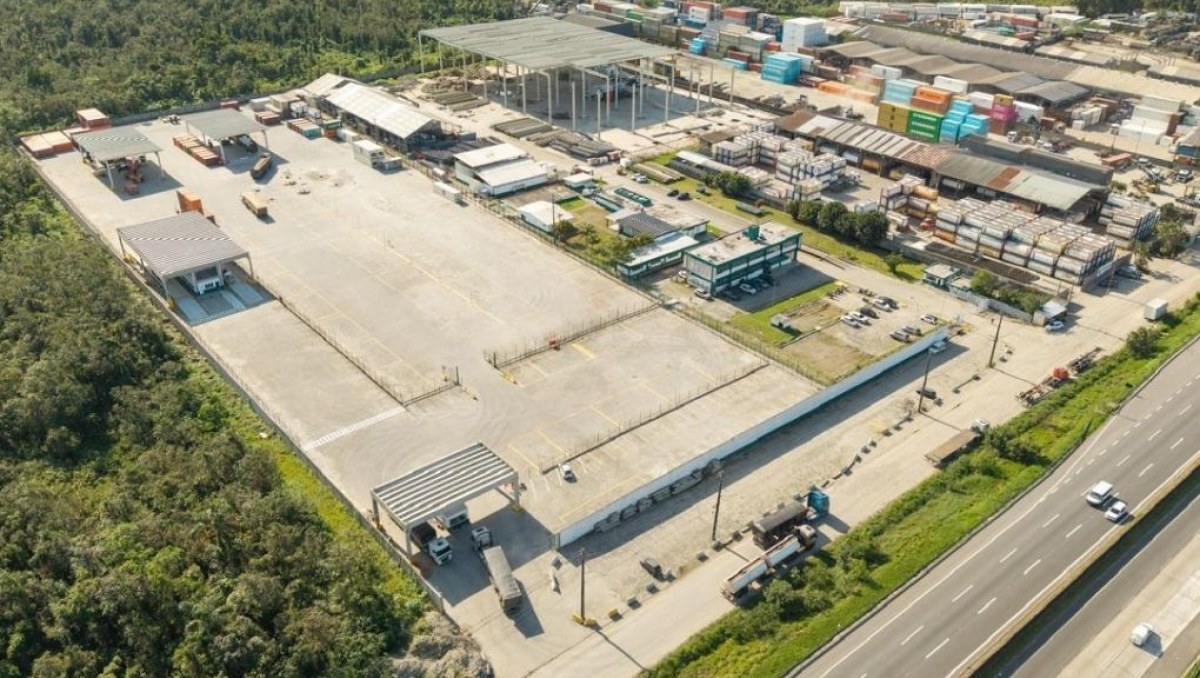
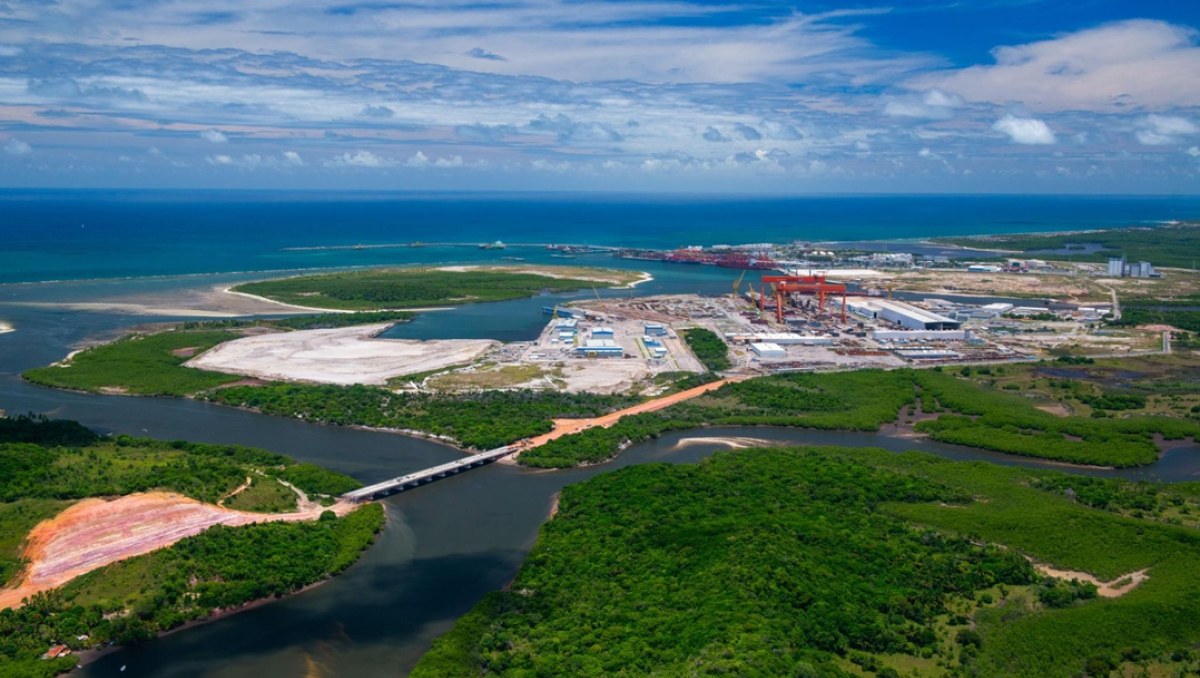
SUAPE (PE) — The implementation of APM Terminals' new container terminal at Suape has drawn a new wave of regulatory scrutiny. The Public Ministry before the Brazilian Federal Audit Court (Tribunal de Contas da União, MP-TCU) has ordered agencies directly involved in the process to provide clarifications on the occupation and property regularization of areas used by the project.
The Ministry of Ports and Airports (MPor), the Secretariat of Union Property (SPU) and the National Waterborne Transportation Agency (Antaq) have been notified and given a 15-day deadline to respond.
The inquiry seeks to clarify, chiefly, whether the area expansion and subsequent authorization for operation of the Private-Use Terminal (TUP) occurred after all necessary steps related to Union property were completed.
The case has gained significance because the project underwent a substantial change from its original configuration. The project, initially associated with shipyard support activities, had its operational profile altered to include container handling, in addition to an expansion of its area.
Public property at the center of the discussion
The matter brought to the Federal Audit Court is not limited to cargo handling authorization. The Public Ministry intends to clarify whether the property situation of the areas involved was properly addressed before the adoption of acts that allowed the project to advance.
Among the points under analysis are the existence and validity of legal instruments related to occupation, SPU's role, and any possible need for compensation for the use of areas belonging to the Union.
The concern presented to the Court also involves the possibility that regulatory and operational acts moved forward while property-related issues were still under review.
It is important to note that the opening of the inquiry does not mean that irregularity has been proven. The objective of the procedure is precisely to verify the regularity of acts taken by the different public agencies involved.
APM received authorization for partial operation
Antaq authorized in July 2026 the start of partial operation of APM Terminals' TUP, permitting handling and storage of general and containerized cargo.
The authorization was linked to Adhesion Contract No. 37/2014 and its second additive term, executed in 2023.
Operation was initially authorized for the draft conditions then available. The agency's own documentation provides for the possibility of issuing full authorization after compliance with conditions related to dredging and the final depth foreseen in the project.
The terminal also received clearance for international traffic, subject to operational limitations established by the competent agencies.
Corporate dispute increases pressure on Suape
The investigation occurs at a moment of intense competitive activity in the Pernambuco port complex.
On one side is ICTSI, responsible for operating Tecon Suape, a terminal located within the organized port. On the other is APM Terminals, a company linked to the Maersk group, which began operating the new TUP also destined for container handling.
The implementation of the private terminal alters the competitive environment at Suape and puts two major international port sector groups face to face.
ICTSI had already raised questions with different public agencies about the expansion of APM's project. The company contends that there are regulatory and property matters that need to be clarified.
The MP-TCU representation, however, is of its own nature and does not, by itself, represent confirmation of allegations presented by any of the companies involved.
Former Estaleiro Atlântico Sul area
The new terminal is associated with the area previously used by Estaleiro Atlântico Sul (EAS).
```The area was later acquired by Maersk, which moved forward with the project to implement the structure intended for container operations. In 2023, ANTAQ approved amendments to the contract that allowed for the expansion of the area and a change in the cargo profile of the enterprise.
The history of the area is relevant to the current investigation because it involves precisely the need to separate aspects related to property and patrimonial occupation from those concerning regulatory authorization for port operations.
What the TCU wants to clarify
The investigation places four main issues at the center of the debate:
1. Patrimonial regularity: whether all areas used by the terminal were properly regularized with the Union.
2. Agency competence: whether the analyses conducted by ANTAQ and other agencies properly observed the attributions of SPU.
3. Release of operations: whether the acts that permitted the start of activities were carried out only after compliance with all requirements considered essential.
4. Effects on contracts: should irregularities be identified, what would be the consequences for the second addendum to the adhesion contract and for the Operation Release Term granted to the TUP.
The next chapter will be defined by agency responses
With the 15-day deadline opened by MP-TCU, the process now enters a stage of technical and administrative clarifications.
The statements from the Ministry of Ports and Airports, SPU, and ANTAQ should help clarify the sequence of administrative acts, the patrimonial situation of the areas, and the relationship between regulatory authorizations and procedures under Union competence.
Based on these responses, the Court will be able to assess the need for further inquiries or other measures within the process.
For now, the main effect of the investigation is to place under renewed scrutiny the relationship between public patrimony, port authorization, and the expansion of private activity in Suape.
The case also gains strategic importance because it occurs precisely when the Pernambuco complex is undergoing a transformation in its container market, with the entry of a new private operator and competition for cargo that traditionally flows through the public terminal.