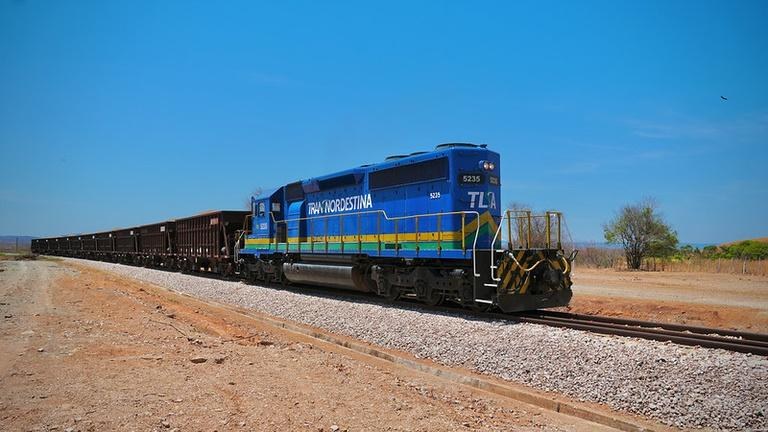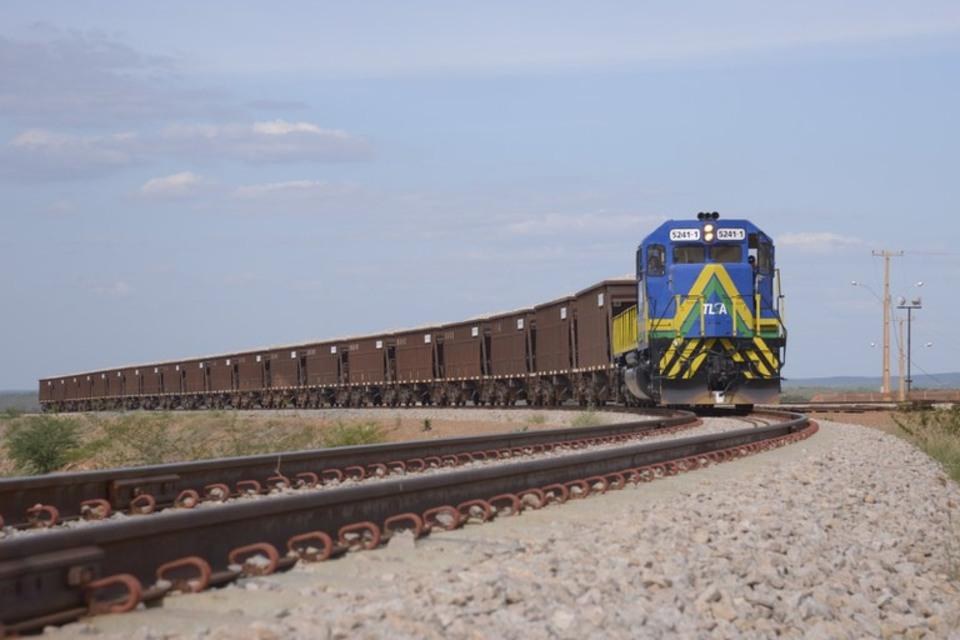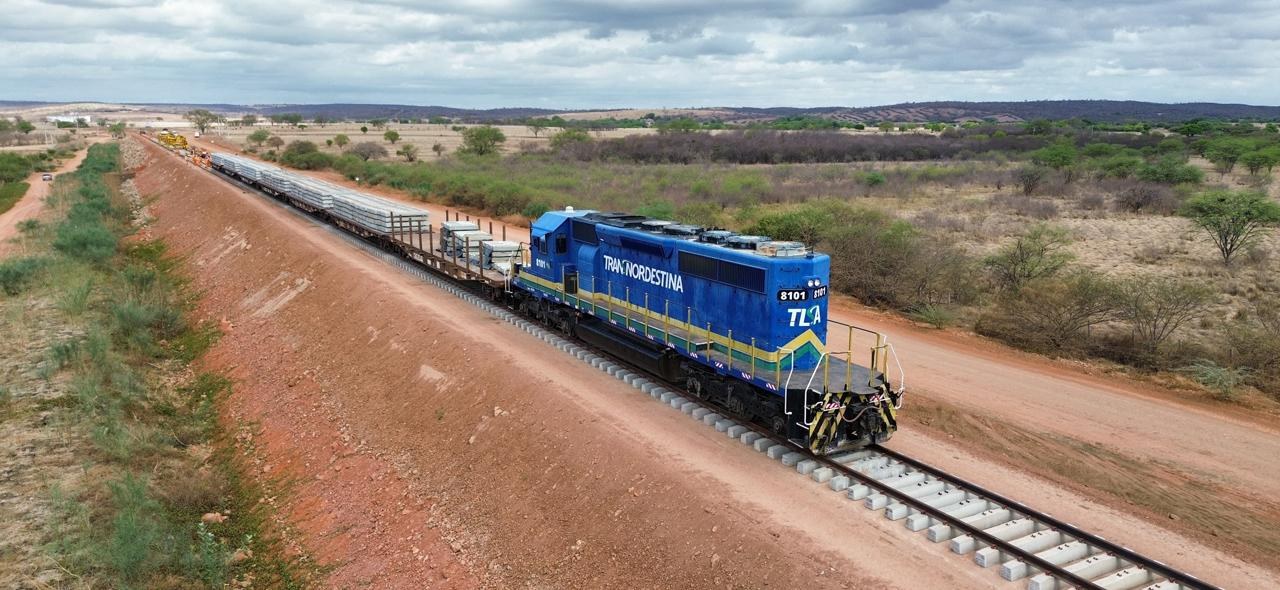
While kilometers of new rail tracks advance through the sertão, another important part of the Transnordestina begins to take shape: the fleet that will actually transport cargo across the railway.
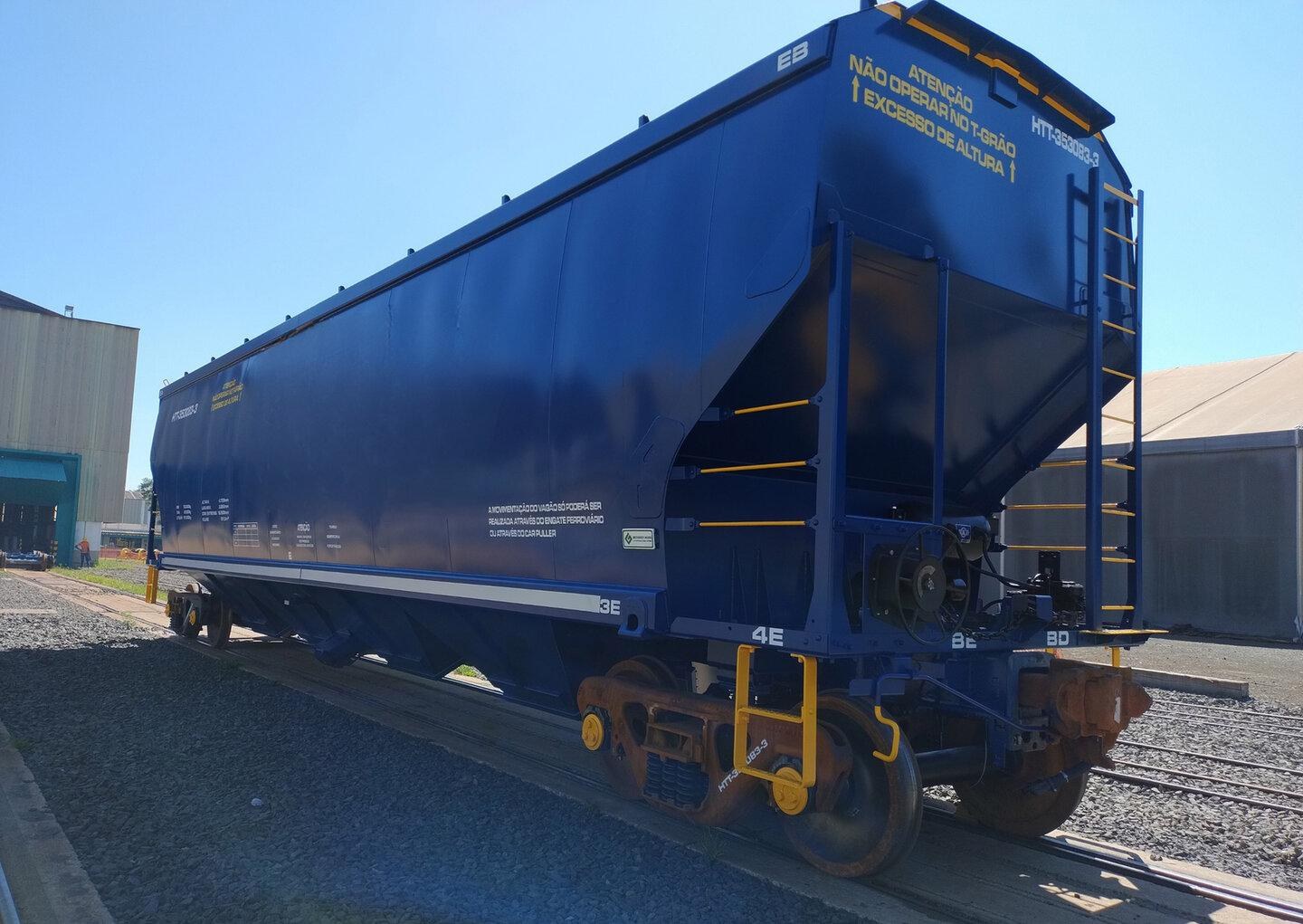
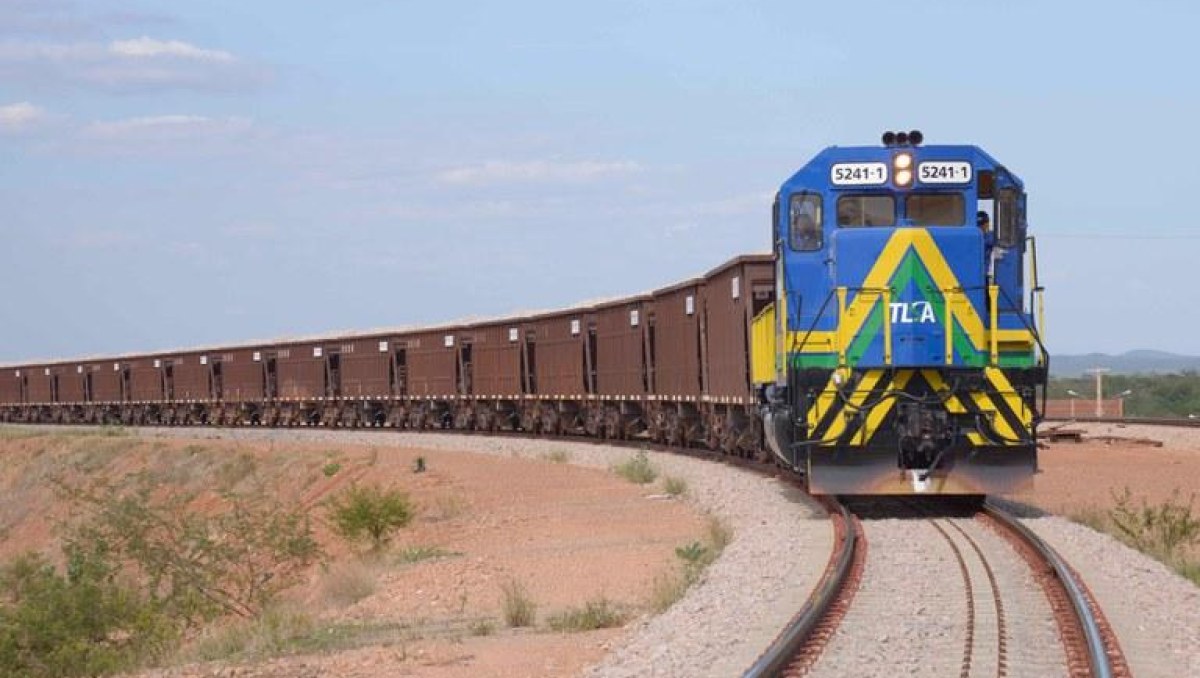
Transnordestina Logística S.A. (TLSA) announced the incorporation of 100 new Hopper HTT rail cars, manufactured by Greenbrier Maxion (GBMX), intended primarily for the transport of grains and fertilizers.
The announced investment is approximately R$ 100 million.
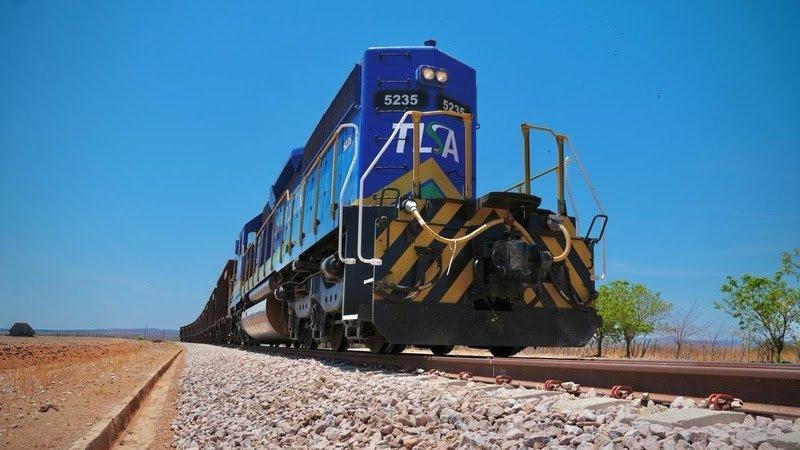
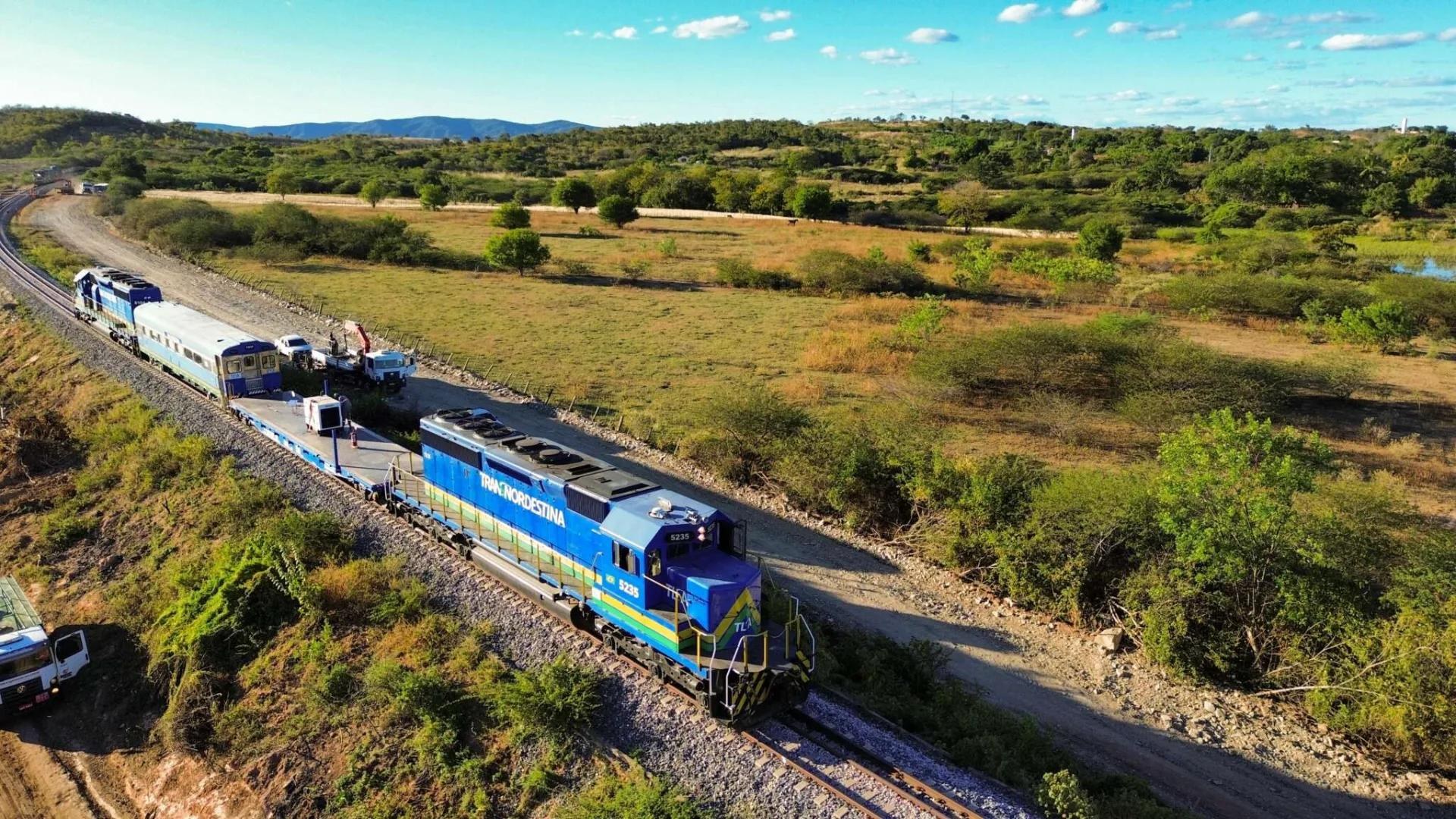
The new consist has already been presented in circulation through the northeastern sertão and offers a practical sense of what the railway intends to represent when operating at larger scale: to remove large volumes from highways and transport them over long distances using high-capacity rail compositions.
According to the figures released, the 100 new rail cars have capacity equivalent to the transport performed by approximately 357 bulk trucks.
It is a comparison that helps explain why the Transnordestina is considered far more than a railway project.
It may change the very logistics geography of part of northeastern Brazil.
R$ 100 million on the rails
Hopper rail cars are specially designed for efficient movement of bulk products.
In the case of the Transnordestina, the acquisition targets two particularly important flows: grains and fertilizers.
The combination is strategic.
While soybeans, corn and other agricultural products need to find competitive corridors to reach export terminals, fertilizers also travel the inbound route to supply producing regions.
With high capacity per consist, the railway can reduce dependence on road-only transport for long-distance routes.
This does not mean eliminating trucks.
In an integrated logistics structure, road transport remains essential in the so-called first and last miles, while the railway primarily assumes large volumes over extended routes.
100 rail cars or 357 trucks
The equivalence disclosed by the company helps visualize the logistics scale.
The 100 new rail cars correspond to the approximate capacity of 357 bulk trucks.
Imagine hundreds of trucks individually transporting cargo that can be concentrated in a single rail consist.
It is precisely at this scale that some of the main competitive advantages of rail transport for commodities emerge: large transport capacity, operational regularity, and efficiency over long distances.
For northeastern agribusiness, this equation may be especially important.
The expansion of agricultural production in the interior requires corridors capable of keeping pace with crop growth without transferring all that pressure to the highways.
A R$ 15 billion railway
The fleet reinforcement is happening in parallel with the physical and financial progress of the undertaking.
The Transnordestina represents a total estimated investment of approximately R$ 15 billion.
By March 2026, approximately R$ 9.8 billion had already been disbursed, demonstrating the financial scale of one of the largest railway projects currently under development in the Country.
The project has been receiving contributions from different financing structures to sustain the continuity of works.
In July, the Superintendency for the Development of the Northeast (Sudene) authorized a new release of R$ 120 million through the Northeast Development Fund (FDNE).
With the new installment, disbursements related to operations reached approximately R$ 479.7 million.
The financing projected through the FDNE reaches R$ 7.4 billion through 2027, within the financial structure allocated for the implementation of the undertaking.
From the sertão to the port
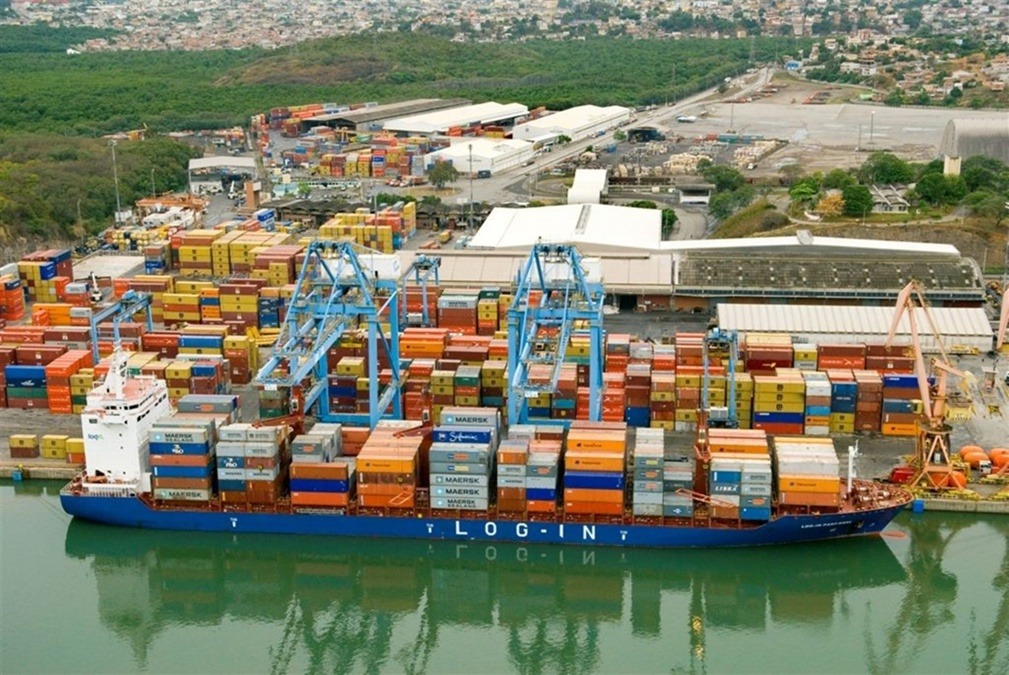
It is precisely here that the Transnordestina gains direct relevance for the port sector.
A railway of this scale does not end when the tracks reach the coast.
It ends when cargo meets the ship.
```htmlThe logic of the enterprise is to create a high-capacity corridor linking productive areas in the interior of the Northeast to port infrastructure, reducing logistics distances and offering a new alternative for commodity exports.
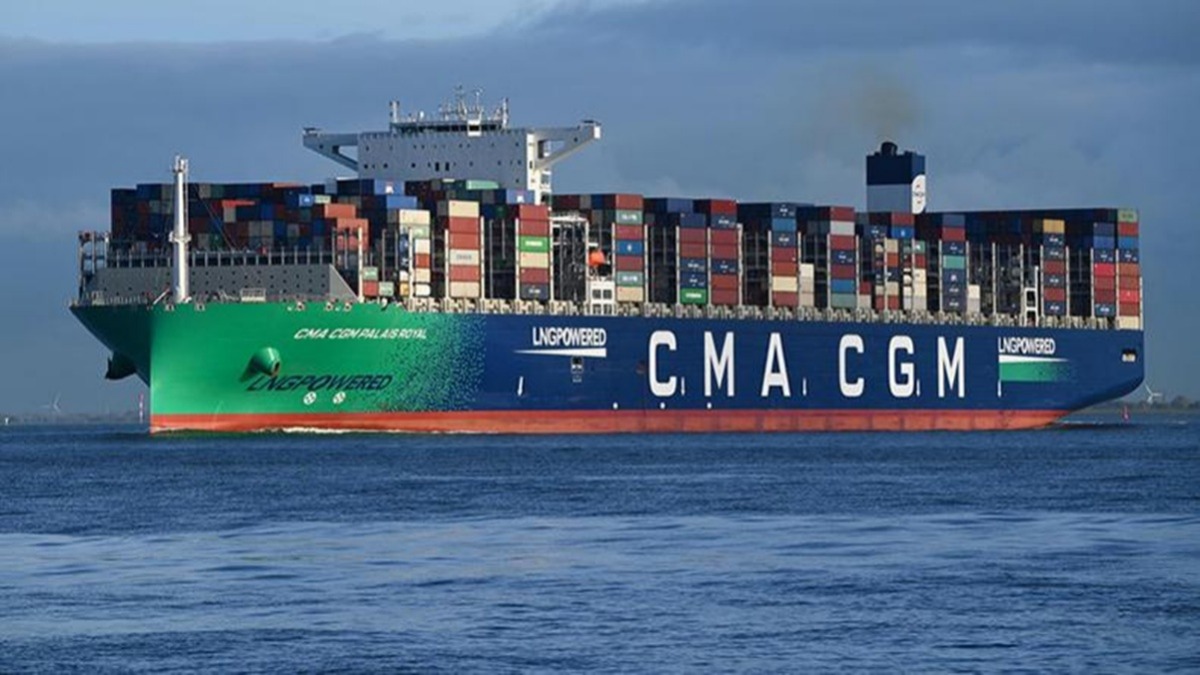
The axis under development has the Port of Pecém, in Ceará, as its main maritime outlet, creating a rail connection between producing regions and a deep-water port with access to major international shipping routes.
This integration can alter logistics decisions by producers, trading companies, and operators.
The lower the cost to transport a ton of grain from the interior to a ship's hold, the greater the competitiveness of that production tends to be in the international market.
The port begins hundreds of kilometers before the dock
The Transnordestina also reinforces a recurring discussion in the sector: a port's efficiency depends not only on what happens within its boundaries.
It is no use having modern berths, great depths, and high-productivity loading equipment if cargo cannot reach the terminal with speed, predictability, and competitive cost.
Access infrastructure is part of the port.
Railways, highways, inland waterways, and interior terminals form corridors that often begin hundreds or thousands of kilometers from the dock.
In that sense, each new kilometer of the Transnordestina brings the productive interior of the Northeast closer to international maritime transport.
A new route for Northeast agribusiness
The arrival of the 100 railcars also shows that the project is beginning to advance beyond fixed infrastructure.
Rails without rolling stock do not transport cargo.
For this reason, locomotives, wagons, signaling systems, terminals, and transshipment structures are as important as the railroad construction itself.
The image of the new train composition crossing the sertão is symbolic.
For decades, the Transnordestina was associated mainly with works, schedules, financing, and discussions about its completion.
Now, new railcars are beginning to physically show what all this infrastructure is being built for.
To transport cargo.
And to transport at scale.
The giant begins to move
The challenges for completion and operational consolidation of the Transnordestina remain relevant. An enterprise spanning thousands of kilometers and billions of reais requires financial continuity, execution of works, integration between terminals, and generation of sufficient volumes to sustain its operation.
But the 100 new Hopper cars represent one more piece being put into this gigantic machinery.
On one side are the producing regions.
In the middle, the rails.
On the coast, the port.
And beyond it, the international market.
It is this integration that could define the true impact of the Transnordestina.
Because when 100 railcars can transport the equivalent of hundreds of trucks, we are not talking merely about a train crossing the sertão. We are talking about a new logistics scale being built to connect Northeast Brazil to the world.
```